Everything on the planet is part of Nature. We humans are also creations of Nature only. In most of our activities, the environment has played a major role in the do-ability of the tasks, be it agriculture, power generation, production, or anything for that purpose. Even human and animal behavior is very much connected to the environment.
UTNT, with its rich experience in measurement and monitoring solutions, offers a variety of products for various applications that need real-time monitoring, as well as IoT solutions for remote data access, alerts, and control.
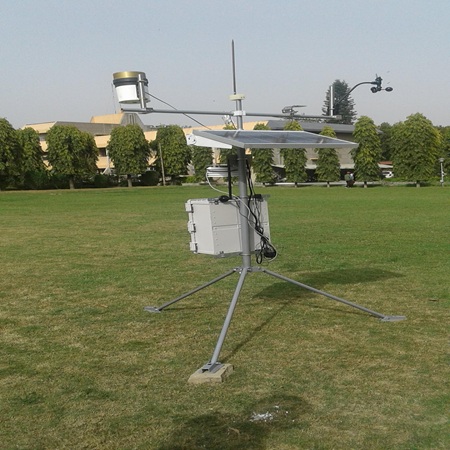
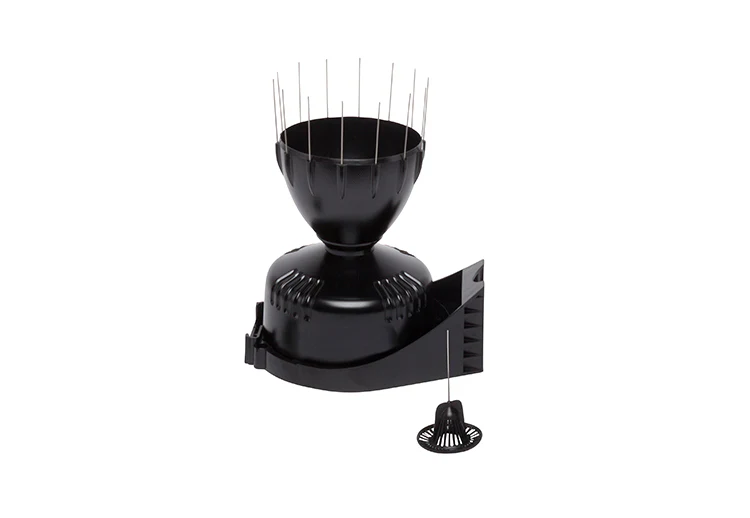
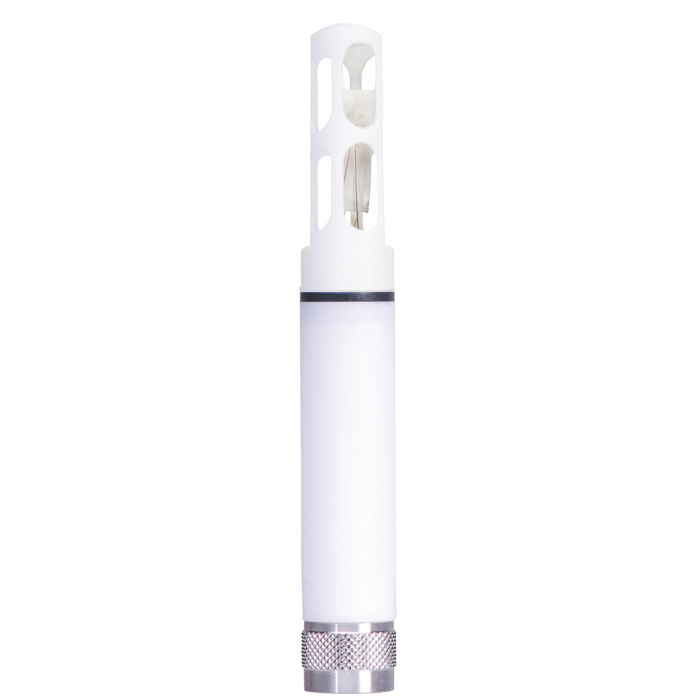
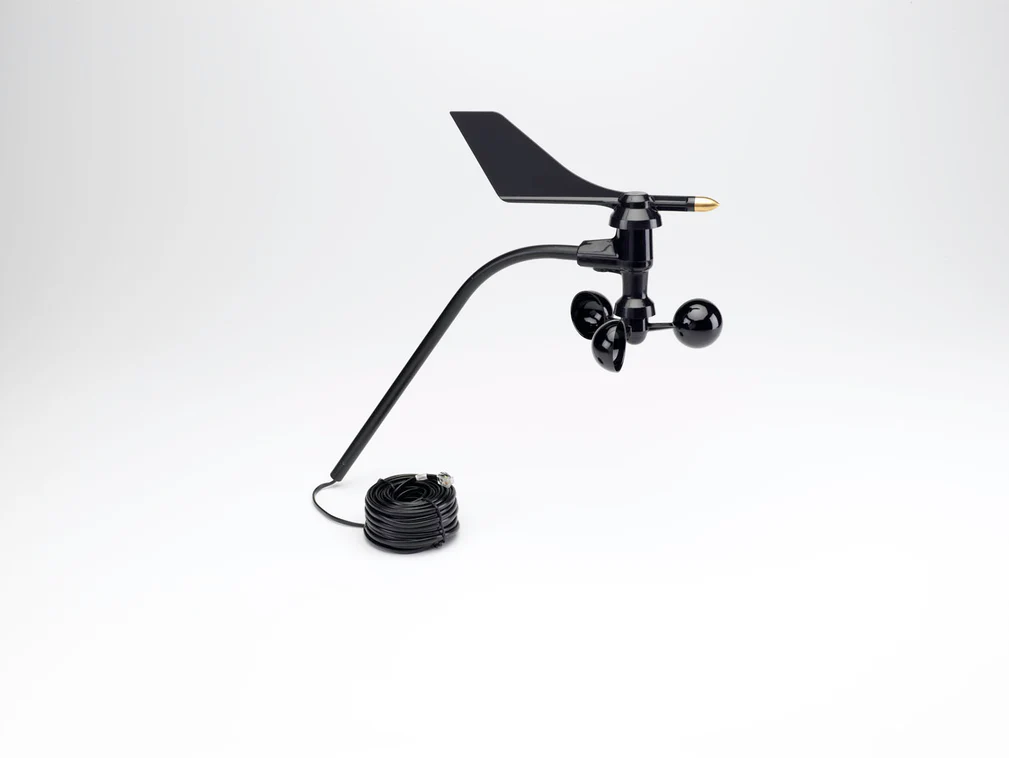
An Automatic Weather Station (AWS) is a sophisticated system designed to collect and record various atmospheric parameters without human intervention. These stations are equipped with a range of sensors that measure key weather elements like temperature, humidity, wind speed and direction, barometric pressure, and precipitation. Data is transmitted in real-time or at specified intervals to a central system for analysis and forecasting.
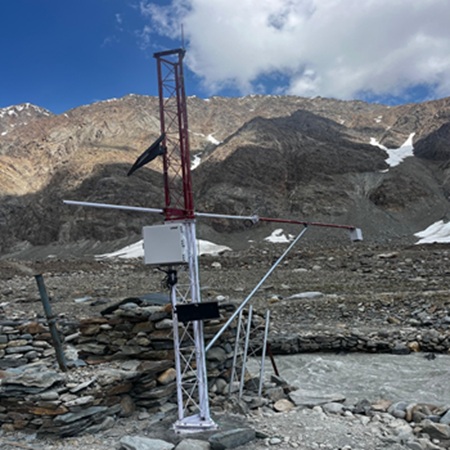
Glaciers are vital for regulating climate, water cycles, and ecosystems. Monitoring them helps understand their movement and climate change impacts. Technologies like Automatic Weather Stations (AWS), Steam Drills, and Field Site Profiling (FSP) gather data on temperature, snowfall, and ice flow, offering valuable insights for glacier research, monitoring, and long-term conservation efforts.
Air quality is a growing global concern as pollution affects both urban and rural areas. Our advanced Air Quality Monitoring System delivers real-time, precise data to help individuals, businesses, and governments understand air conditions. This information supports informed decisions, promoting healthier environments and protecting public health from the harmful effects of air pollution.
Pocket weather trackers are small, portable devices that provide real-time, accurate weather updates. Designed for outdoor enthusiasts, professionals, and hobbyists, they help users monitor conditions like temperature, humidity, and pressure. These multifunctional tools enhance safety and preparedness by allowing users to quickly adapt to changing weather, making them essential for activities in unpredictable environments.
Environmental monitoring is essential for safeguarding natural resources and ensuring sustainable development. It provides critical data that enables early detection of environmental hazards, supports regulatory compliance, and informs strategies to minimize ecological footprints. By monitoring air, water, soil, and noise levels, these systems help address global challenges such as climate change, resource depletion, and pollution. Industries, governments, and organizations rely on environmental monitoring to meet sustainability goals and promote public health and safety.
Key Parameters
Air Quality: Monitoring pollutants such as particulate matter (PM2.5, PM10), carbon dioxide (CO2), sulfur dioxide (SO2), nitrogen oxides (NOx), and volatile organic compounds (VOCs).
Water Quality: Assessing parameters like pH, turbidity, dissolved oxygen, conductivity, and contaminant levels such as heavy metals and nitrates.
Soil Health: Measuring moisture levels, nutrient composition, and contamination to ensure sustainable agricultural practices.
Noise Pollution: Monitoring decibel levels in industrial, urban, and residential areas to mitigate noise pollution.