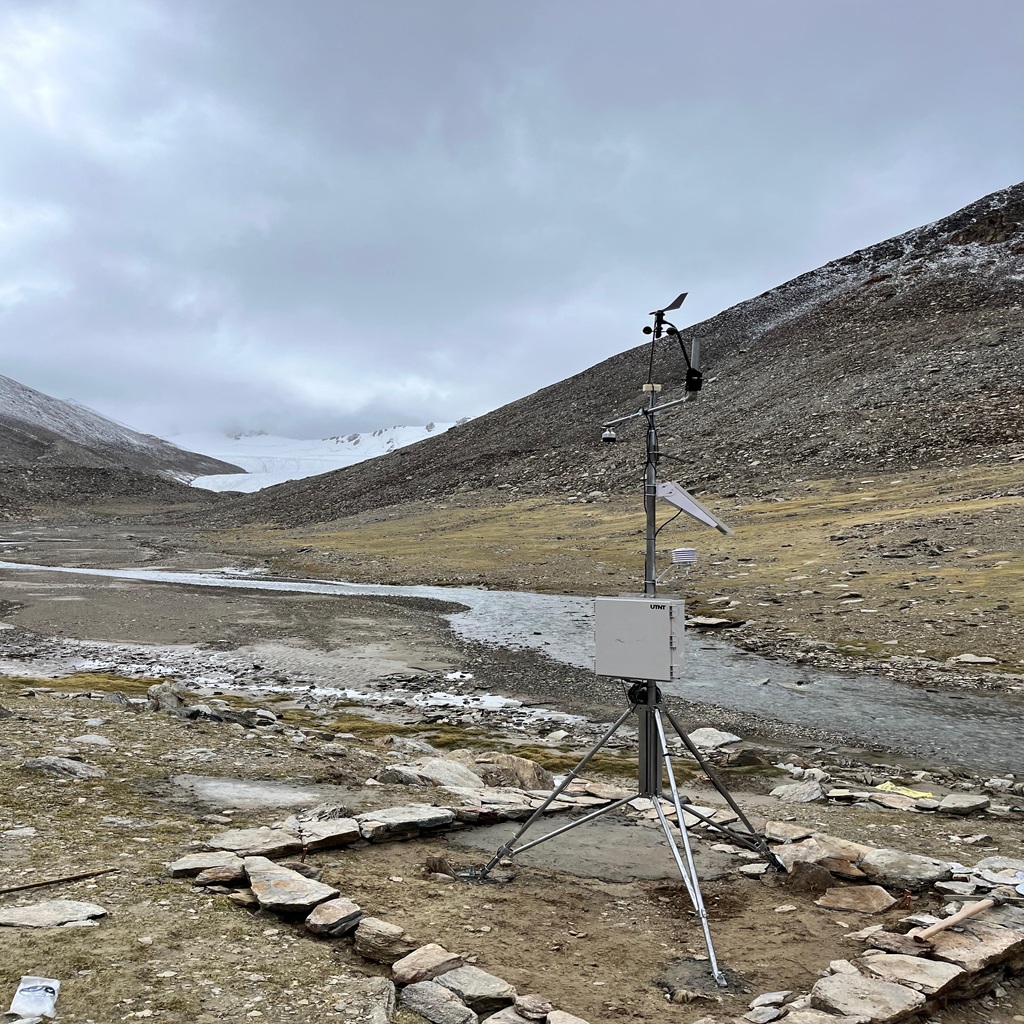
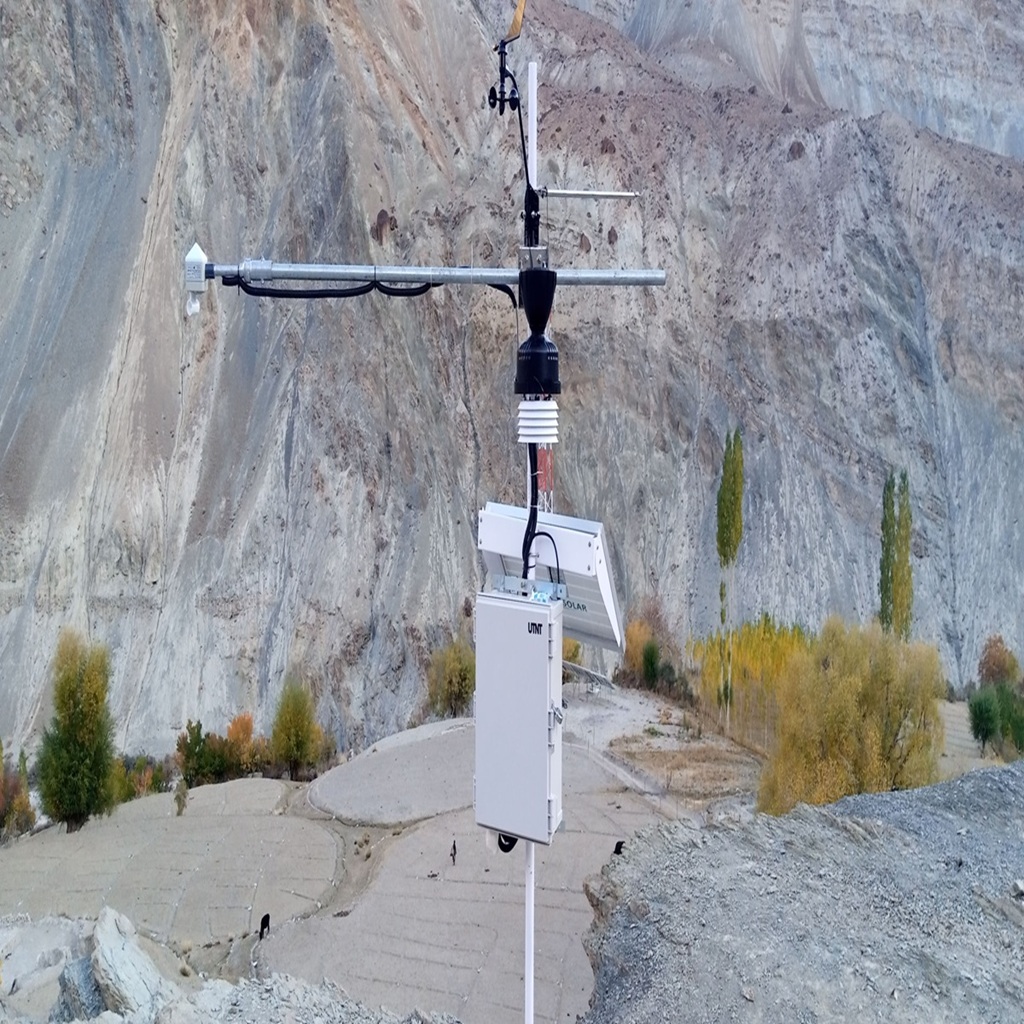
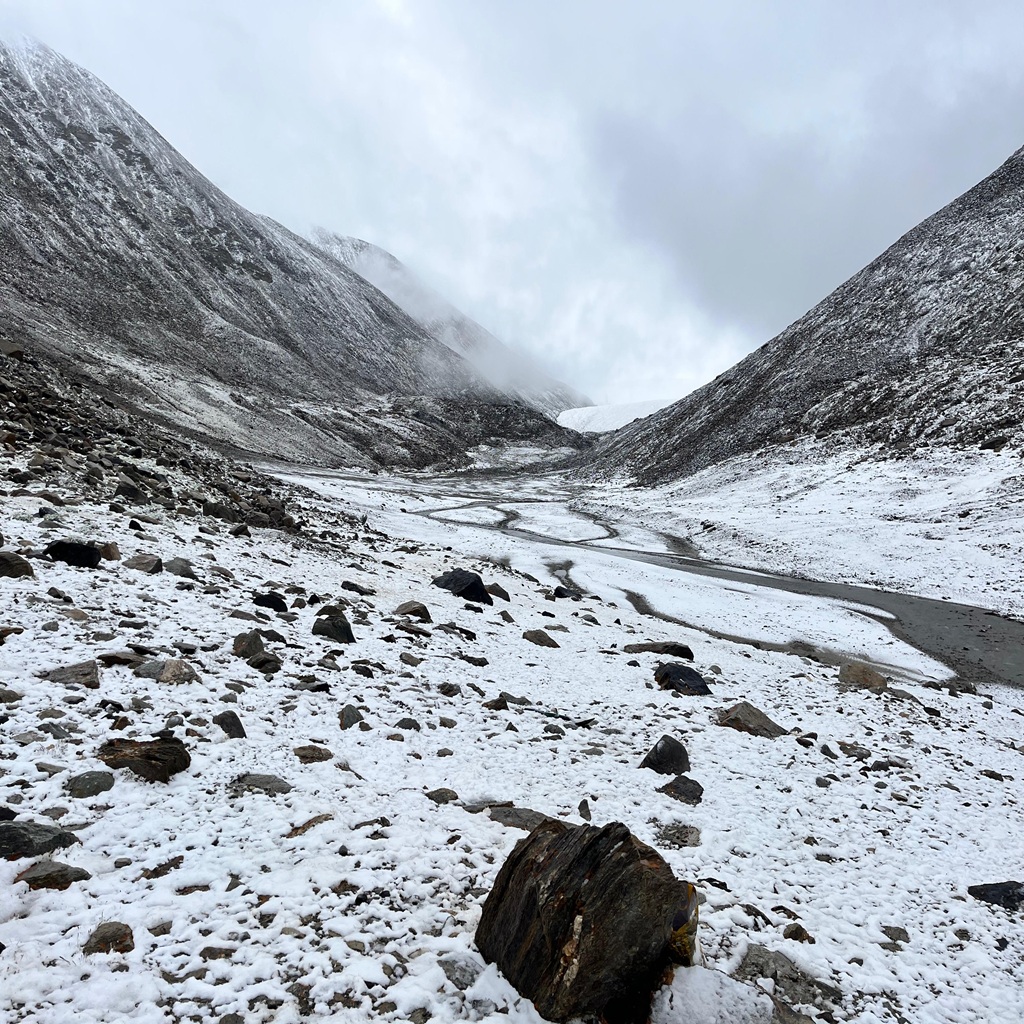
Glaciers play a critical role in regulating global climate, water cycles, and ecosystems. Monitoring glaciers is essential to understanding their behavior, movement, and the impacts of climate change. Advanced technologies like Automatic Weather Stations (AWS), Steam Drills, and Field Site Profiling (FSP) are used to collect data and provide insights into glacier dynamics. These technologies help in monitoring temperature, snowfall, ice flow, and other critical parameters essential for glacier research and conservation.
UTNT provides a comprehensive set of solutions for glacier monitoring, integrating AWS, Steam Drills, and FSP technologies. Our systems help researchers, environmentalists, and government agencies monitor glaciers in remote regions, supporting climate studies, water resource management, and environmental preservation.
Glacier Monitoring with UTNT
Monitoring glaciers is vital to understanding the impact of climate change, as glaciers are sensitive indicators of environmental conditions. As glaciers retreat or advance, they influence sea levels, water availability, and ecosystems. Real-time data collection using advanced technologies ensures accurate and continuous monitoring of glacier behavior, enabling early detection of changes and providing actionable insights for mitigation efforts.
As humans have advanced in technology, they are also unintentionally responsible for huge climatic changes, such as greenhouse effects and pollutants, which cause global warming, which results in droughts and floods. Similarly, global warming has accelerated the melting rate of the glaciers across the Himalayas and in other polar regions.
For understanding the real behaviors of the glacial melting and movement, environmental monitoring is one of the basic studies, along with hydrological studies like water level and discharge, being conducted by the glaciologist communities across the globe.
Glacial Environmental Monitoring
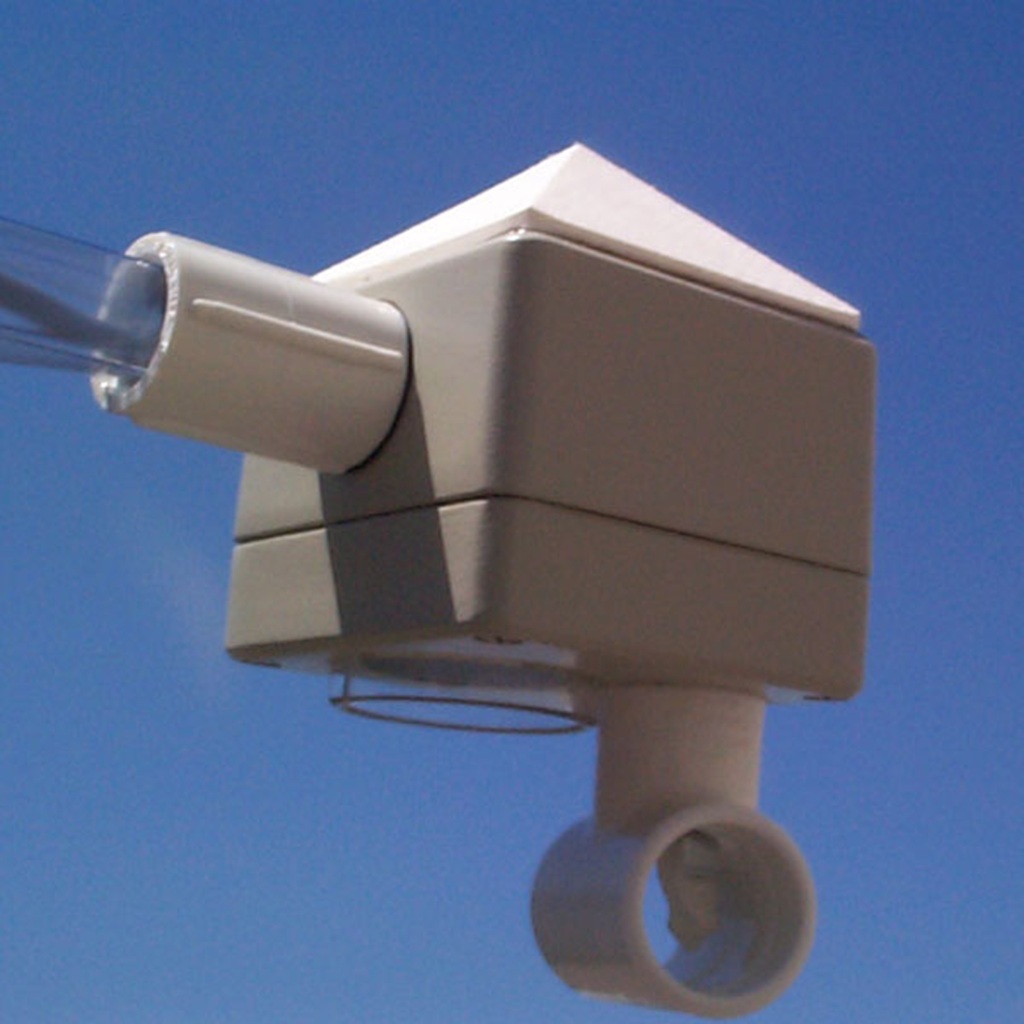
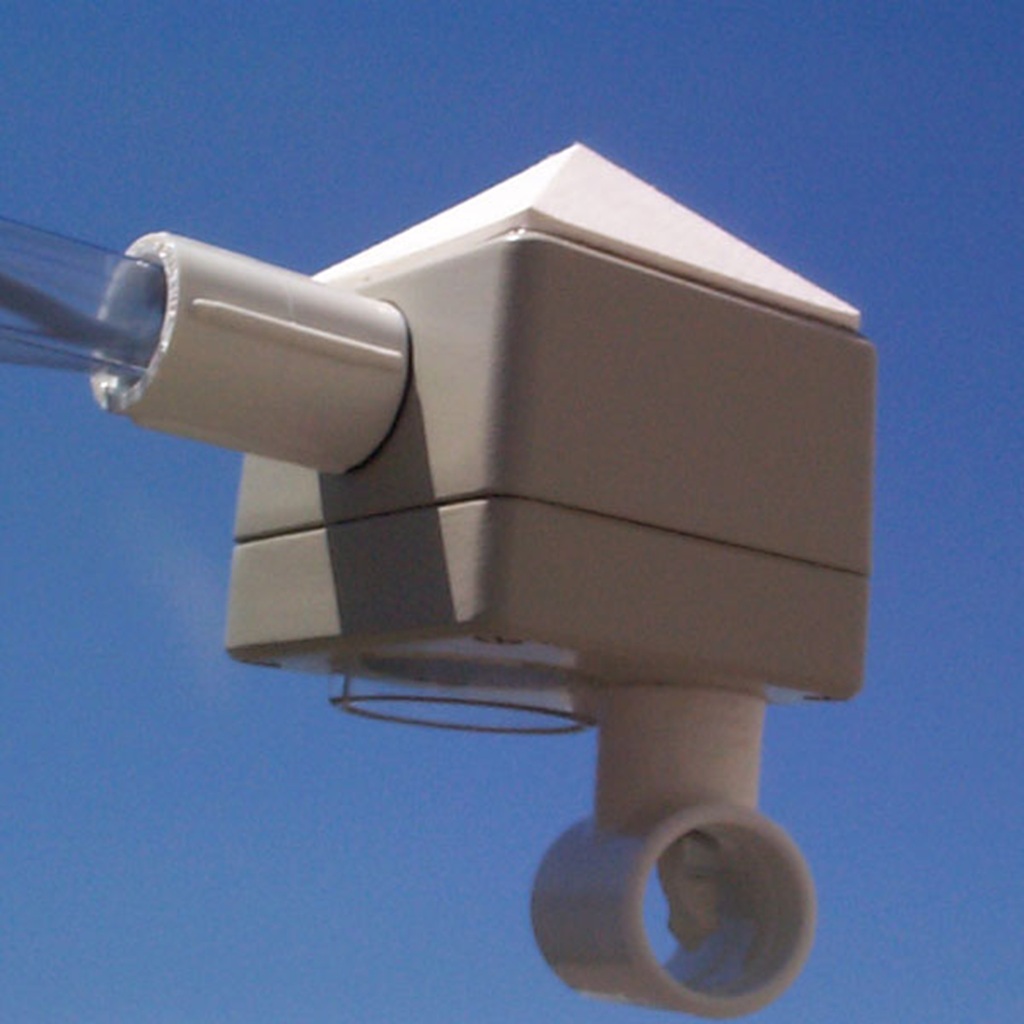
UltrasonicSnow Depth Sensor
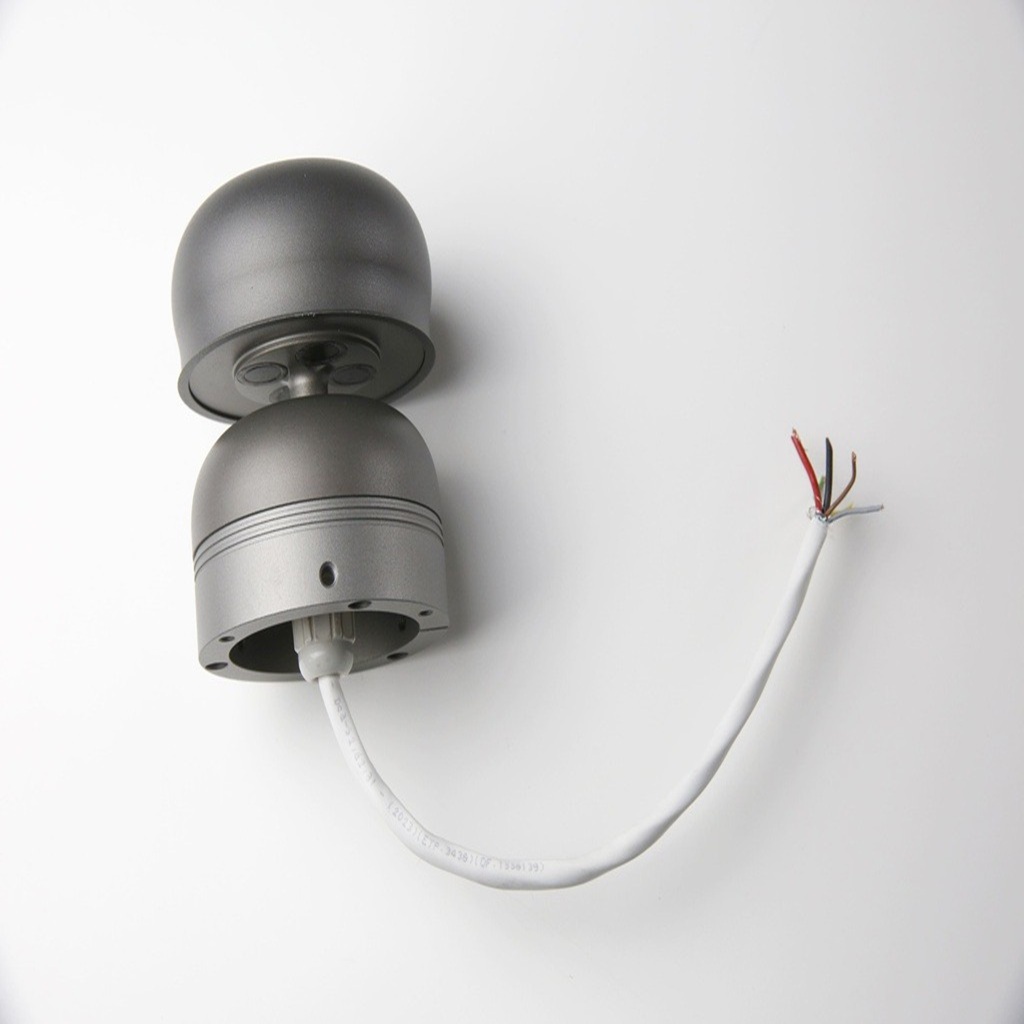
The 260-700 Ultrasonic Snow Depth Sensor provides a reliable, maintenance-free solution for continuous snow depth monitoring in remote or harsh environments. Using ultrasonic pulses to measure surface distance, it corrects data with a built-in, shielded air temperature sensor for high accuracy. Its output flexibility—analog or digital—makes it compatible with nearly all data loggers and telemetry systems.
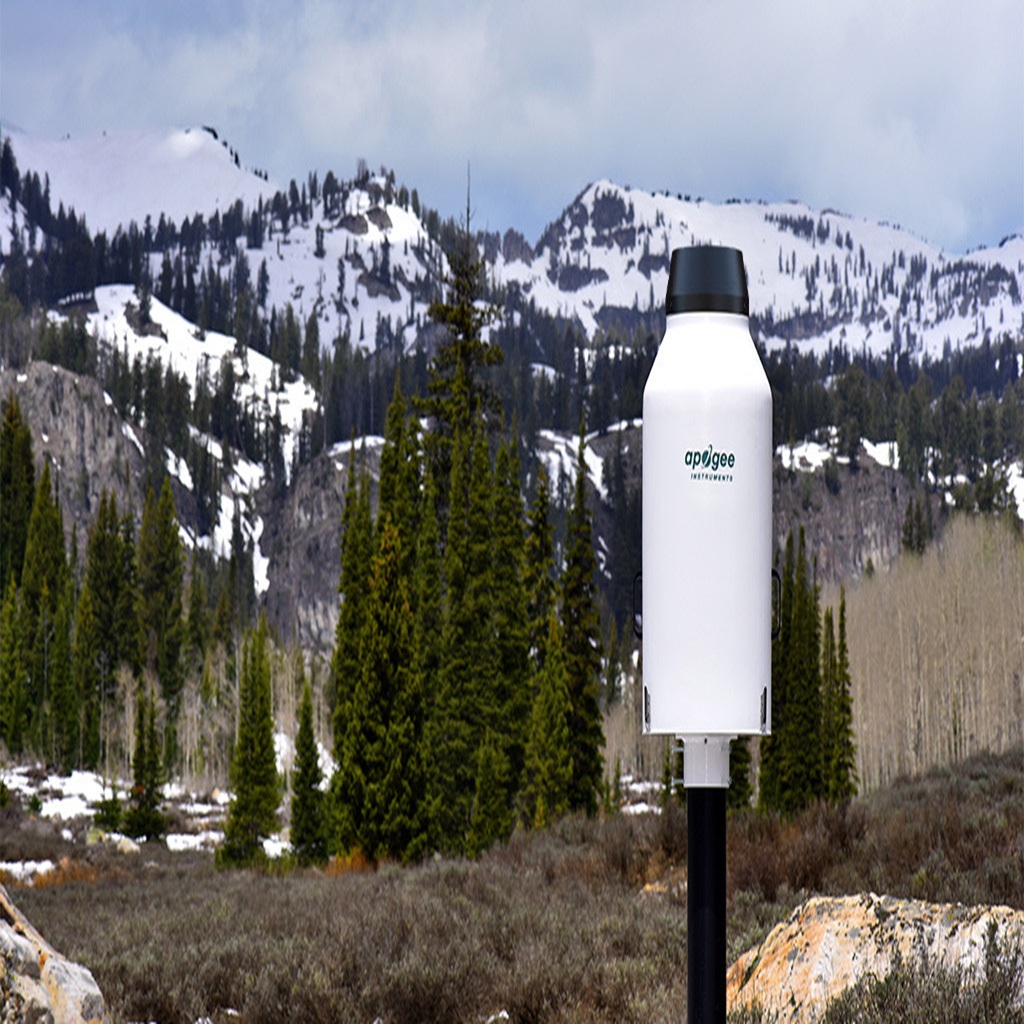
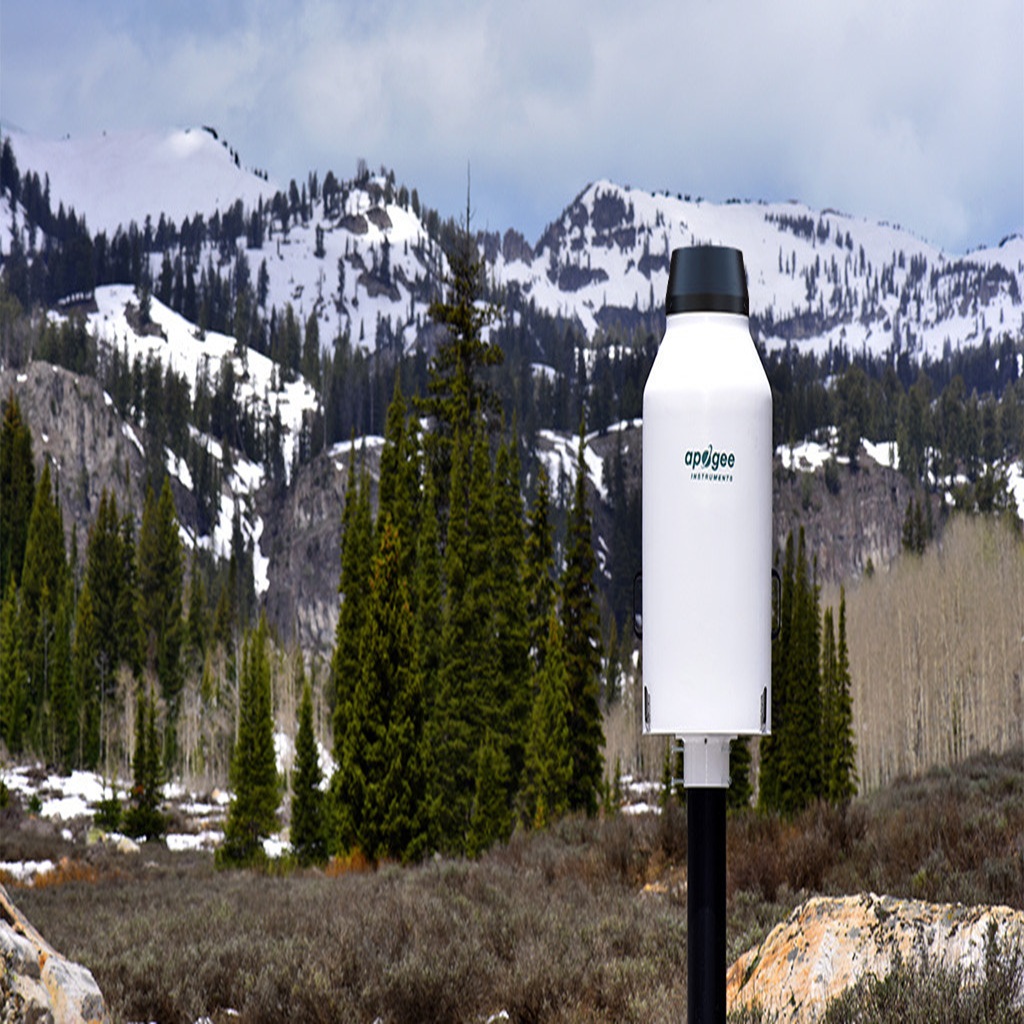
The Apogee SG-400 Series Cloudburst Gauge delivers accurate, all-season precipitation monitoring through a rugged, load cell-based weighing system. Its smart algorithm compensates for environmental factors like temperature and vibration, while the stainless steel strain-gauge load cell provides long-term stability and ±0.1 mm measurement resolution.
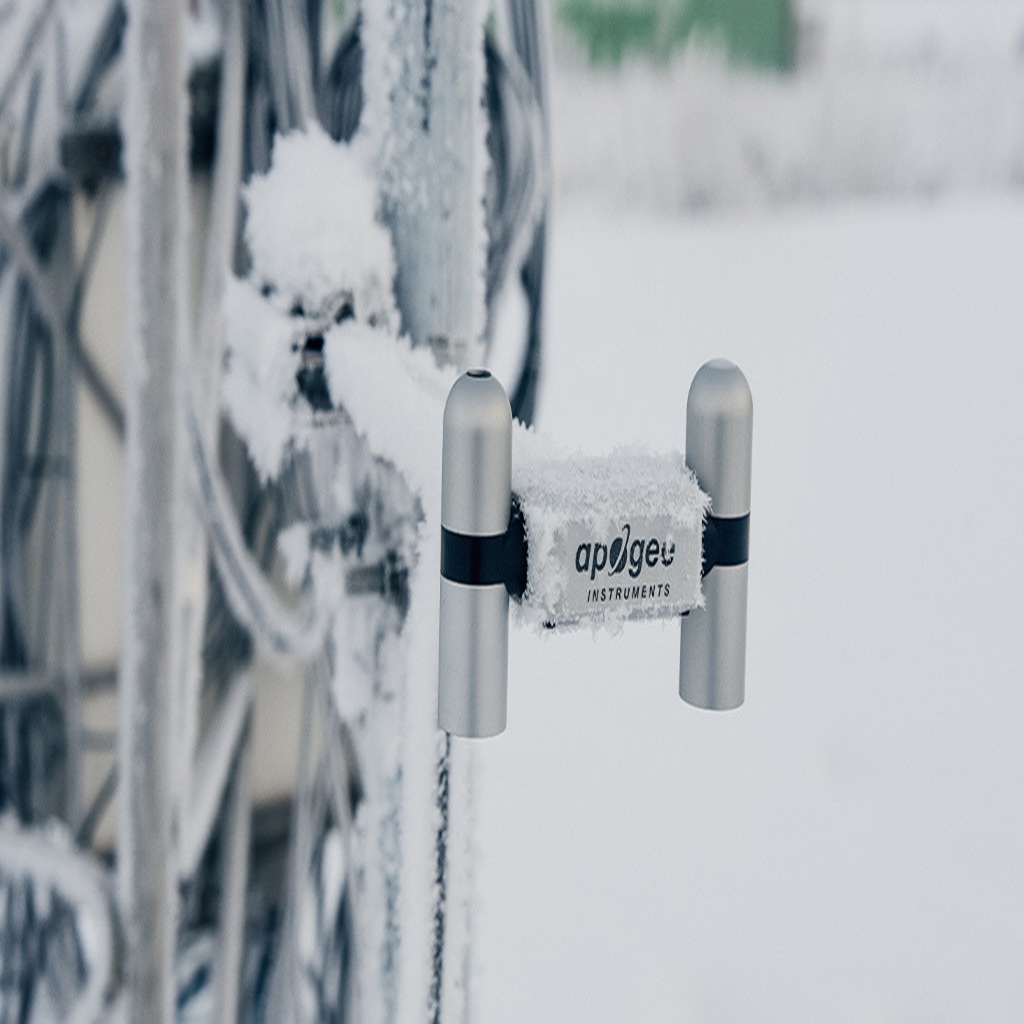
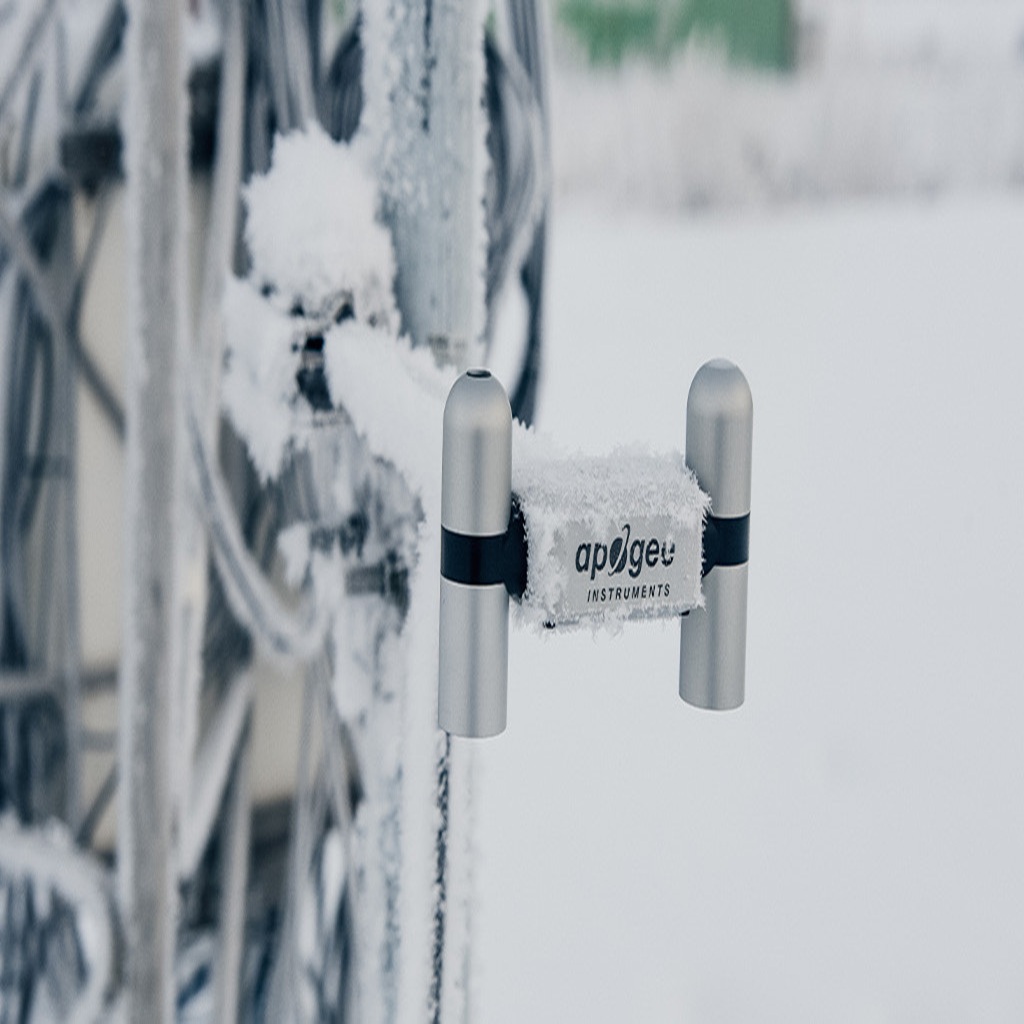
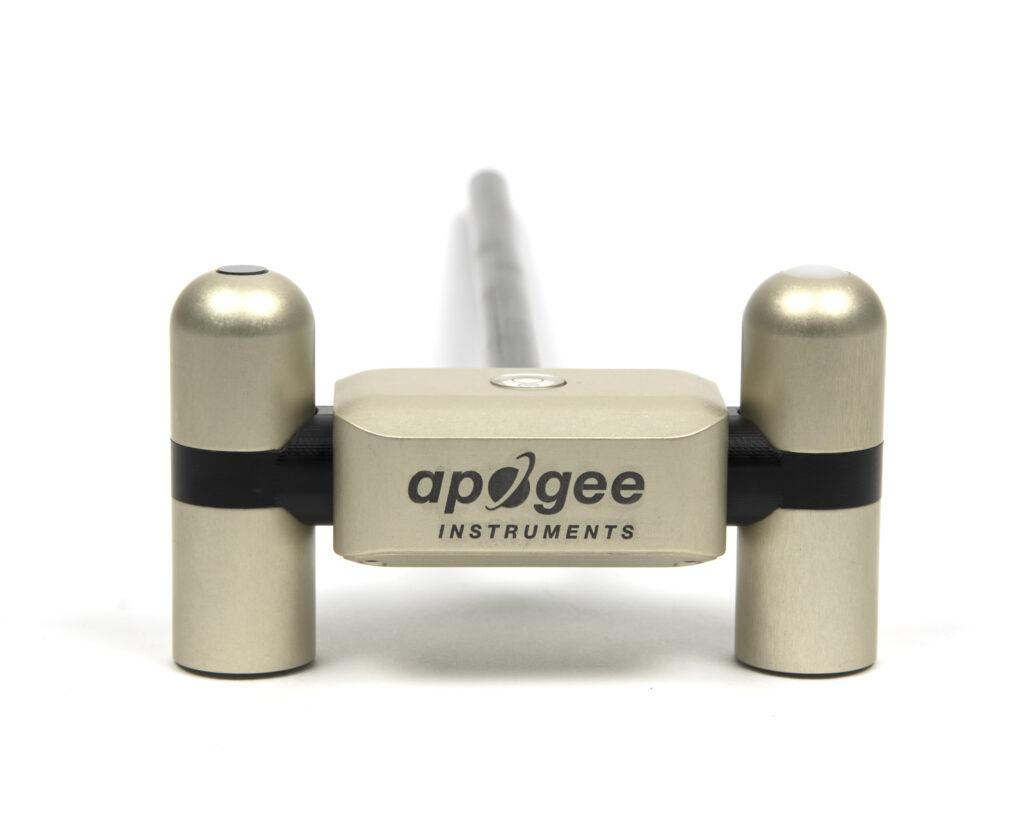
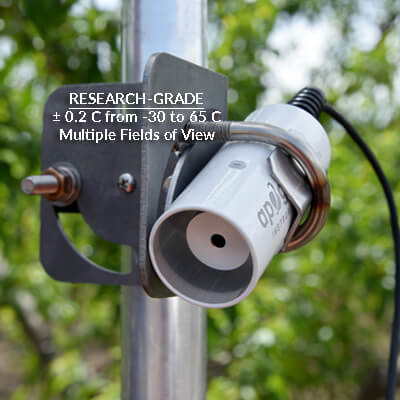
The Apogee SN-500 and SN-522 digital net radiometers deliver comprehensive energy balance data by measuring all four components of radiation flux: incoming/outgoing shortwave and longwave radiation. Built-in heaters on each sensor reduce environmental interference from snow, rain, and frost, ensuring continuous, accurate measurements in harsh conditions.
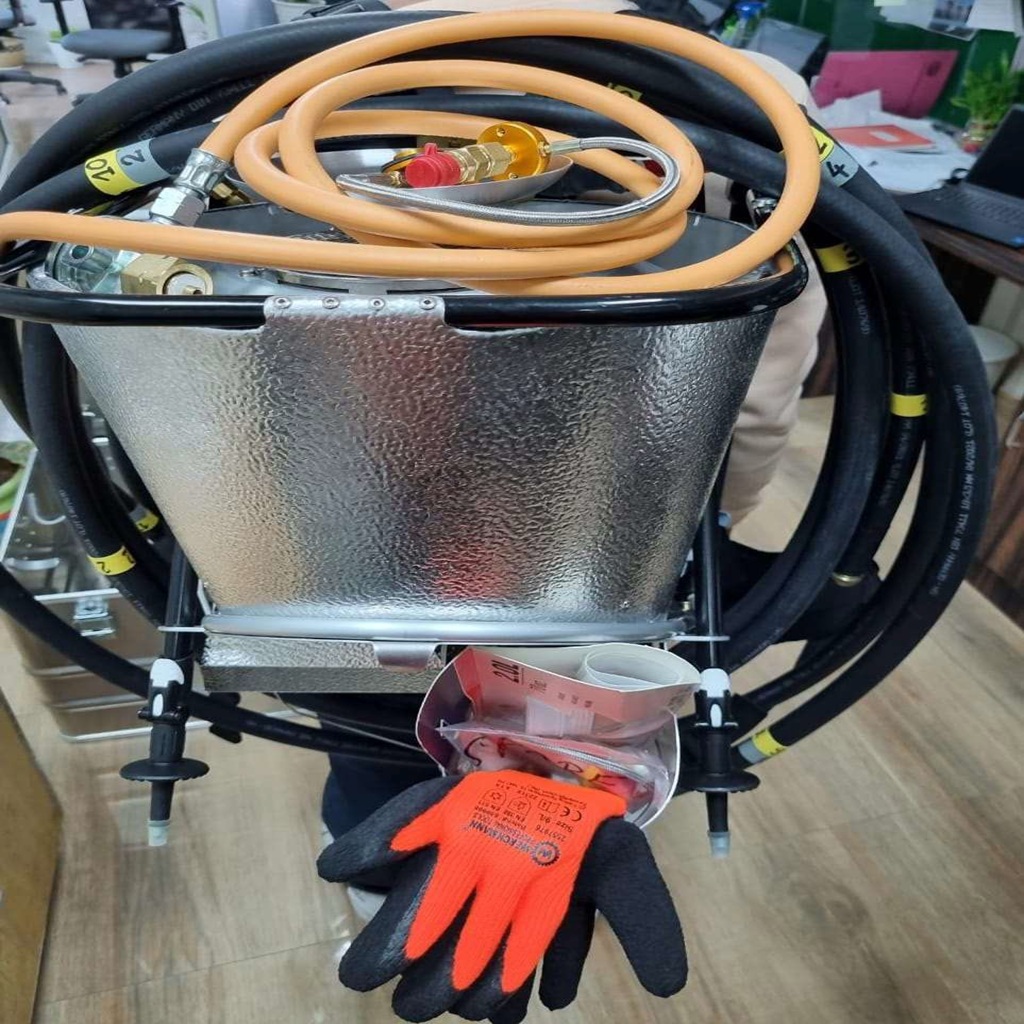
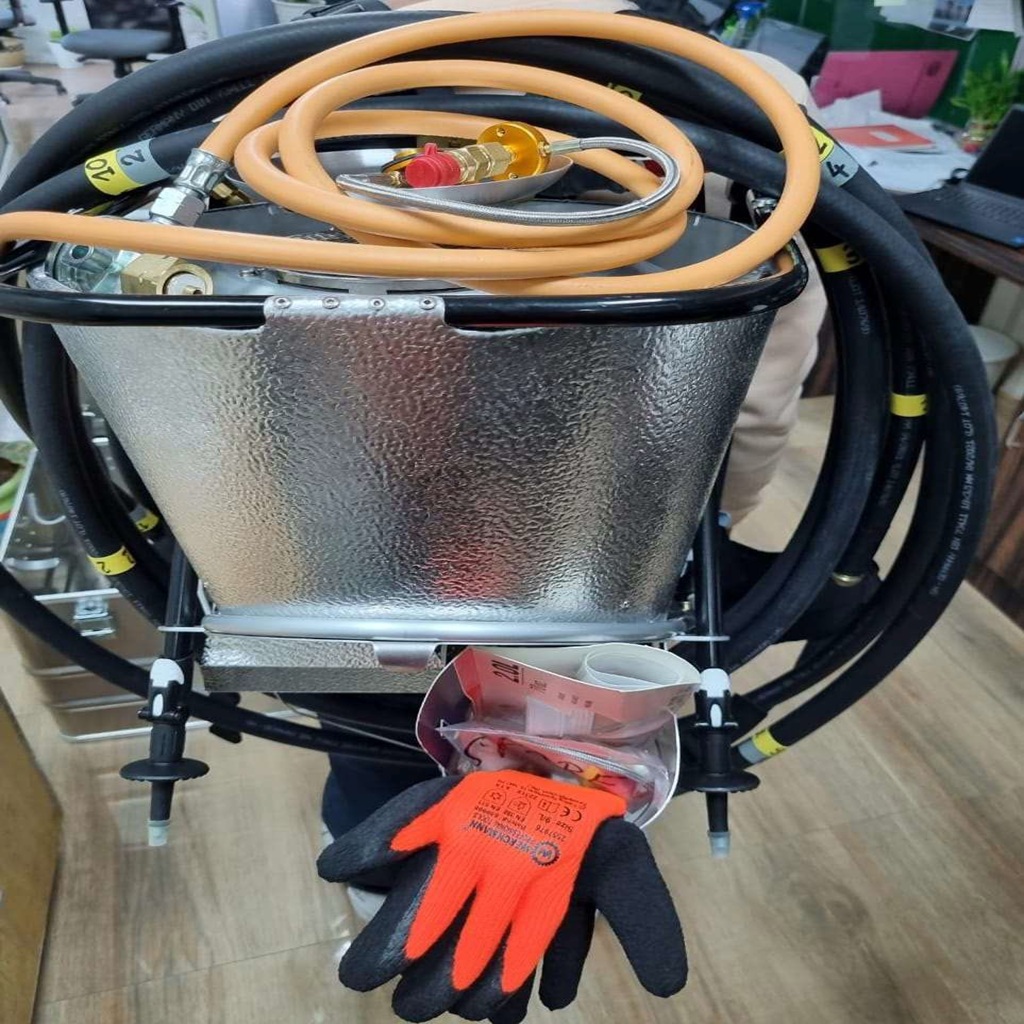
The HEUCKE Steam Ice Drill is a field-proven tool designed for extreme cold regions, delivering efficient boreholes with minimal setup and effort. Packed in a rugged aluminum box and carried like a backpack, the entire system weighs just 16 kg and can be deployed by a single operator. Once preheated, the drill melts 6 meters of ice in under 15 minutes, using only 15–20 grams of gas per meter.
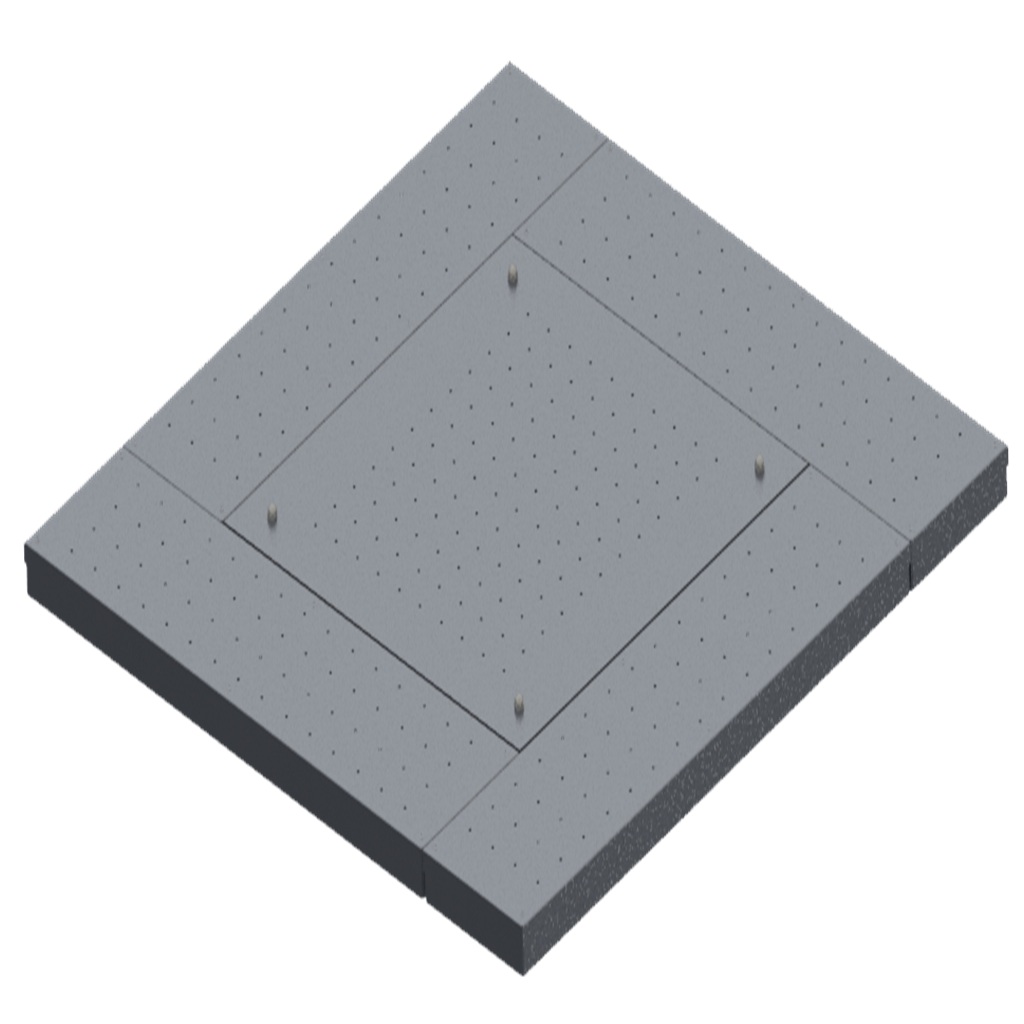
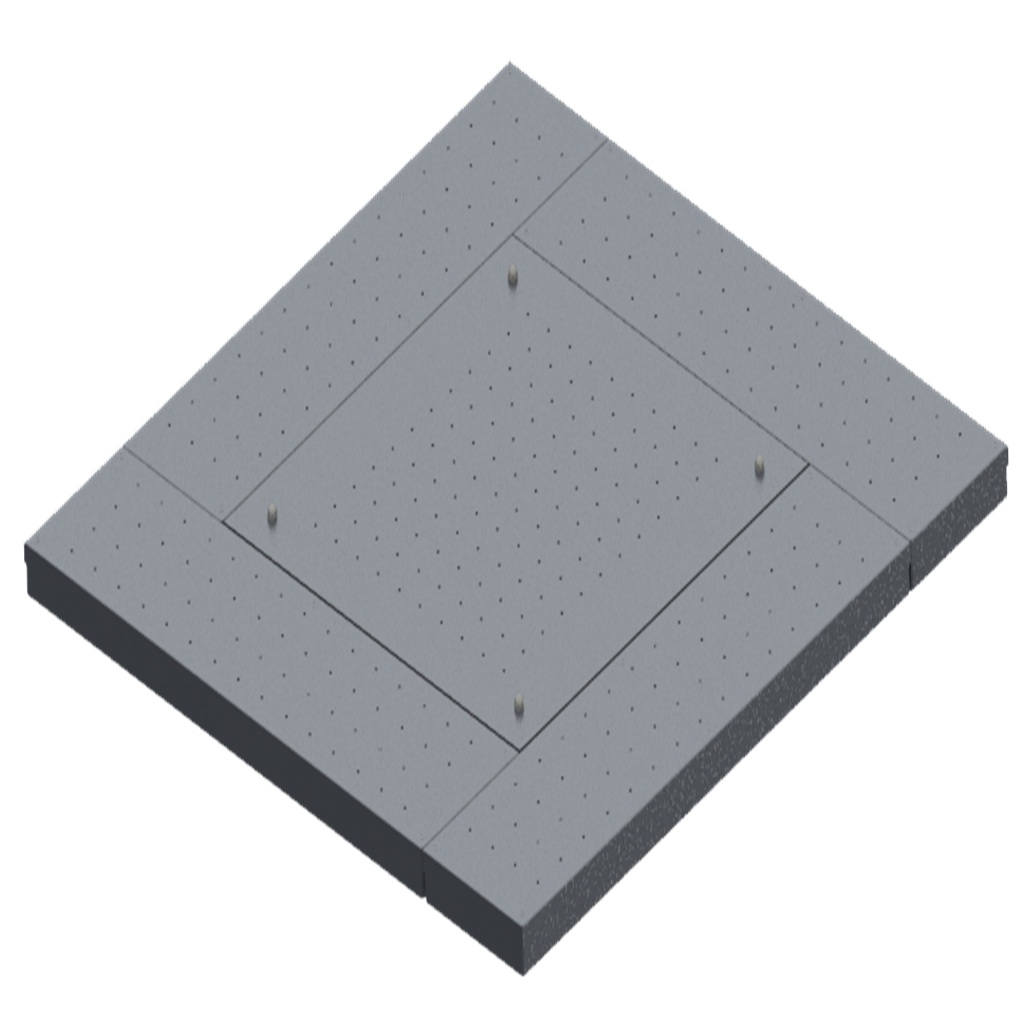
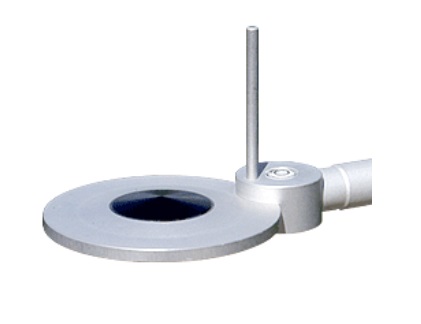
The FSP Fluidless Snow Pillow is a modern solution for SWE(snow water equivalent) monitoring that eliminates the issues associated with fluid-filled systems. Its modular, low-profile design enables quick deployment in rugged environments, with no part heavier than 35 lbs, making it ideal for backcountry or alpine fieldwork
The maximum possible drilling depth is 13 meters in ice (standard equipment), 18 meters in ice, and 30 meters in fern with additional hoses. The total weight of the complete drilling equipment as a load on your back (incl. 3 full gas cartridges and one 8m-bore hose) is 16 kg.
Key Features
Automatic Weather Stations (AWS):
AWS systems collect real-time data on temperature, humidity, snowfall, and atmospheric pressure, which is crucial for monitoring glacier health and melt patterns.
Steam Drill for Ice Core Sampling:
UTNT’s Steam Drills are used to extract ice cores from glaciers. These cores provide invaluable data on ice composition, melt layers, and long-term climate patterns.
Field Site Profiling (FSP):
FSP technology allows for the detailed profiling of glacier sites, including ice depth, water flow, and surface changes, to understand glacier dynamics.
Data from AWS, Steam Drills, and FSP systems are transmitted in real-time to cloud platforms, enabling remote access and monitoring from anywhere in the world.
Seamless Integration:
All monitoring equipment can be integrated into a cohesive system, making it easier to manage and analyse the collected data.
Advanced Sensor Technology:
Equipped with high-precision sensors, UTNT’s monitoring systems ensure accurate readings for temperature, ice thickness, water flow, and seismic activity.
Energy-Efficient Operations:
Our systems are designed to operate efficiently in remote, energy-scarce environments, making them ideal for glacier monitoring.
Continuous and accurate data on glaciers helps researchers understand how glaciers respond to climate change and contribute to global climate models.
Water Resource Management:
Monitoring glaciers provides valuable information for managing freshwater resources, as glaciers are a significant source of drinking water and hydropower.
Early Warning for Glacier Instability:
Real-time data on seismic activity and ice movement helps detect early signs of glacier collapse or icefalls, offering early warnings to nearby communities.
By monitoring glaciers, conservation efforts can be better targeted to preserve these critical ecosystems and prevent irreversible damage.
Accurate Glacier Modeling:
The combination of AWS, Steam Drills, and FSP provides comprehensive data, allowing for more accurate models of glacier behaviour and predictions of future changes.
Support for Policy Decisions:
Data collected from glacier monitoring helps policymakers make informed decisions regarding climate action, water rights, and disaster preparedness.
Cost-Effective Monitoring:
UTNT’s integrated solutions reduce the need for manual fieldwork and offer a cost-effective way to monitor glaciers over long periods with minimal intervention.
Long-Term Data Collection:
Continuous data collection from AWS, Steam Drills, and FSP ensures that glacier dynamics can be tracked over time, providing insights into long-term trends and changes